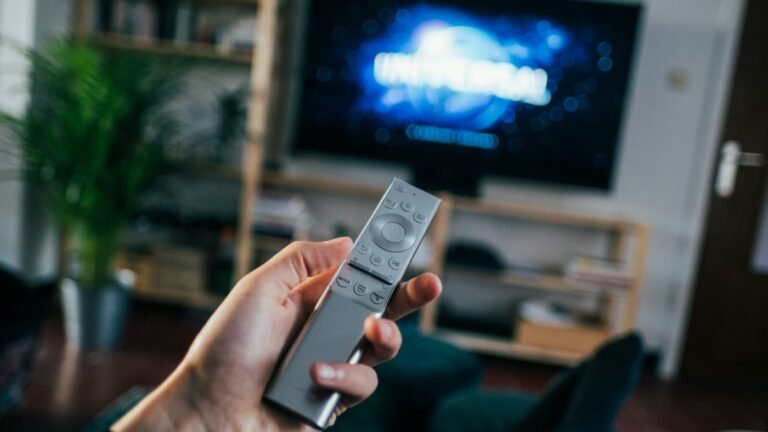
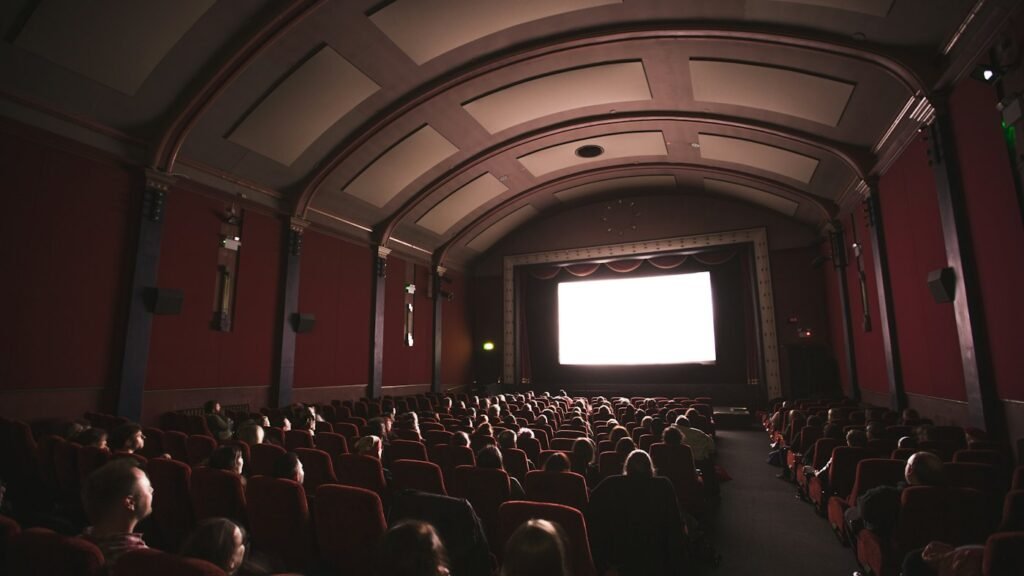
It has become one of the most common complaints online: you watch a two-and-a-half-minute trailer and walk away feeling like you have already seen the entire movie. Major twists, the final showdown and even the last line of dialogue sometimes appear in marketing before a film ever reaches theaters.
So why do studios keep doing it, when fans clearly hate it? The answer has a lot to do with how audiences actually behave, not how they say they behave.
Audiences Like Knowing What They Are Paying For
Marketing teams have long relied on test screenings and audience research, and a recurring finding is that many moviegoers prefer trailers that clearly explain the story. Buying a ticket, paying for snacks and setting aside an evening is a real commitment, and plenty of viewers want reassurance that the film delivers the experience they are looking for.
In-Article · 300x250 / Responsive
In other words, the loudest voices online are not always the majority. A detailed trailer can feel like a spoiler to a dedicated fan while feeling like a helpful preview to a casual viewer who only goes to the cinema a few times a year.
The Competition For Attention Is Brutal
Trailers no longer just compete with other movies. They compete with streaming series, short-form video, games and every other piece of content fighting for space on your phone. Studios have only a few seconds to grab attention before someone scrolls away, so they often lead with their biggest moments.
That pressure has also created the “trailer for the trailer,” a short teaser announcing that a full trailer is coming soon. It sounds absurd, but it works because it builds anticipation and gives fans something to share.
Big Moments Get Clicks
Spectacle travels well on social media. A shot of a famous character returning or a massive action sequence is far more likely to be clipped, reacted to and shared than a quiet dramatic scene. When a trailer goes viral, it effectively becomes free advertising, which makes those big reveals hard for marketers to resist.
Some Filmmakers Are Pushing Back
Not everyone in Hollywood is happy about the trend. Some directors have publicly asked studios to keep key scenes out of marketing, and certain franchises have even released trailers with altered shots to protect their biggest surprises.
In-Article · 300x250 / Responsive
Others take a minimalist approach, releasing short, mysterious teasers that rely on mood and music rather than plot. These campaigns tend to delight hardcore fans, although they can be a harder sell to general audiences.
How To Avoid Spoilers Yourself
If you want to go in fresh, the simplest strategy is to watch the first teaser and skip everything after it. Muting keywords on social media, avoiding reaction videos and steering clear of comment sections in the weeks before release can also help.
Some fans go further and decide on a movie based only on the director, cast or reviews, never watching a single trailer. It takes discipline, but many say the payoff of being genuinely surprised in a dark theater is worth it.
The Bottom Line
Trailers spoil so much because, for a large share of the audience, it works. Until viewing habits change, the best defense against spoilers is your own self-control and maybe a well-timed thumb over the screen.